
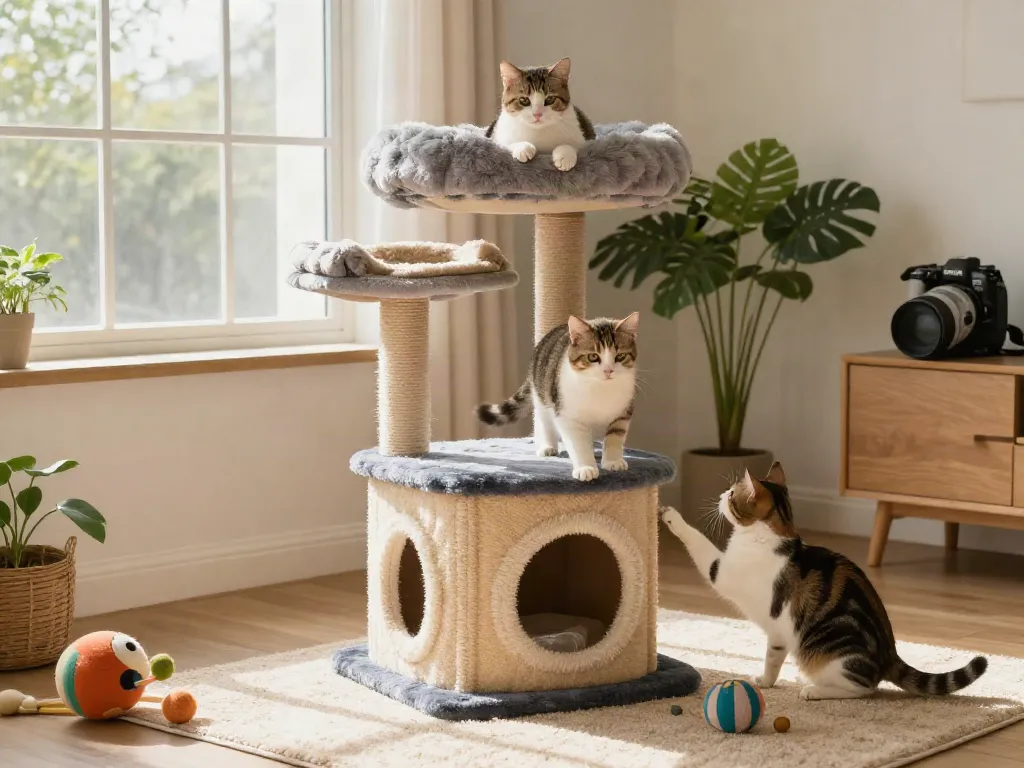
Understanding the Benefits of Cat Trees
Cat trees have become a staple for pet owners seeking to enhance their feline companions' lives. These multi-functional structures are not only a source of entertainment but also play a critical role in promoting physical health and psychological well-being. Understanding why cat trees are essential for indoor cats can help you make informed choices when selecting the best options for your home. When exploring options, cat trees provide comprehensive insights into various models that cater to different needs and preferences.
Why Cat Trees are Essential for Indoor Cats?
Indoor cats often lack the environmental stimulation and exercise they would naturally receive outdoors. Cat trees serve as vertical playgrounds, offering multiple levels for climbing, scratching posts for healthy claw maintenance, and cozy hideaways for lounging. By mimicking a natural habitat, cat trees help reduce boredom, which can lead to destructive behaviour. Additionally, they provide a safe space for shy or anxious cats to feel secure while observing their surroundings.
The Psychological Impact of Cat Trees on Feline Behaviour
The importance of play in a cat's life cannot be overstated. Cat trees encourage natural instincts such as climbing, pouncing, and scratching. These activities are not merely for amusement; they provide essential mental stimulation. Cats that engage with their cat trees often exhibit reduced stress levels and a lower tendency to exhibit behavioural issues like aggression or anxiety. Furthermore, a well-placed cat tree can foster bonding opportunities between cats and their owners, facilitating interactive playtime.
How Cat Trees Support Healthy Physical Activity
Physical health is paramount for domestic cats, especially those that lead a sedentary lifestyle. Cat trees promote exercise through climbing and jumping, essential components for maintaining a healthy weight and strong muscles. Regular physical activity helps cats avoid obesity and the associated health risks. For older or less active cats, selecting a cat tree with gentle ramps and lower platforms can encourage movement without straining their joints.
Selecting the Right Cat Tree for Your Home
Choosing the ideal cat tree requires careful consideration of various factors, including your cat's size, age, and personality. Additionally, the layout of your living space and your personal aesthetic preferences play significant roles in making the right choice.
Key Features to Consider When Choosing Cat Trees
- Stability: Look for cat trees made from sturdy materials that can support multiple cats, especially if you have a larger breed.
- Design: Opt for cat trees that blend seamlessly with your home decor, ensuring they are visually appealing and fit within your living environment.
- Accessibility: For elderly or disabled cats, consider designs with easily accessible levels and ramps.
- Scratch Posts: Ensure that the tree includes adequate scratching surfaces to satisfy your cat’s instinctual behaviours.
- Size: The cat tree should be appropriately sized for your home to avoid overcrowding while providing ample space for your cat.
Different Styles of Cat Trees: Which One is Best?
There is a wide variety of cat tree styles on the market, each catering to different feline preferences. Some popular options include:
- Multi-Level Towers: These provide various platforms for climbing and lounging, ideal for active cats.
- Condos: Enclosed spaces offer security for shy cats and can be beneficial during stressful situations.
- Wall-Mounted Trees: These save floor space and add a unique design element to your home while providing vertical climbing options.
- Luxury Cat Trees: Designed with aesthetics in mind, these products focus on style and functionality, often featuring plush cushions and elaborate structures.
Space Considerations: Fitting Cat Trees into Your Environment
When selecting a cat tree, it’s essential to consider the available space in your home. If you have limited room, consider wall-mounted options or smaller, compact designs. Ensure the tree does not obstruct pathways or create hazards, maintaining a safe environment for both your pet and family members. Remember that the placement of the cat tree is crucial; positioning it near windows or elevated areas can provide your cat with an engaging view of the outside world.
Maintenance and Care for Cat Trees
Proper maintenance is vital to ensure the longevity and hygiene of your cat tree. Regular cleaning and inspections can identify wear and tear, ensuring your cat’s environment remains safe and pleasant.
How to Clean Your Cat Tree Effectively
Cleaning procedures for cat trees should be straightforward to maintain hygiene. Regularly vacuuming the surfaces will help remove fur and debris. For deeper cleaning, use a pet-safe disinfectant to wipe down the surfaces and remove any stains or odours. Additionally, check for any loose parts or fraying fabric to ensure your cat's safety.
Inspecting Cat Trees for Safety and Durability
Conduct regular inspections to ensure your cat tree remains sturdy and safe. Look for signs of wear, such as loose screws or broken components. It may be time to replace the cat tree if it shows significant wear or instability, as an unsafe structure can lead to injuries.
Refreshing Your Cat Tree: When and How to Upgrade
Over time, all cat trees may need refreshing or upgrading. Signs that it’s time to replace your cat tree include excessive wear, structural instability, or your cat outgrowing it. When selecting a new tree, consider your cat's evolving personality and preferences, as well as any trends in design and safety that have emerged since your last purchase.
Innovative Designs in Cat Trees for 2026
The pet industry continues to evolve, with new trends emerging in cat tree designs. Staying updated on innovative solutions can enhance your pet care experience while keeping your cat engaged and happy.
Trends in Cat Tree Designs: What’s New and Exciting?
As pet owners increasingly focus on integrating furniture with home decor, cat trees have evolved into aesthetically pleasing pieces. Many modern designs include natural materials, chic finishes, and multifunctional elements, making them more attractive and practical for the home. From minimalist styles to bold statement pieces, the latest trends reflect a growing demand for both functionality and style.
Eco-friendly Cat Trees: Sustainable Options for Pet Owners
With environmental concerns at the forefront of consumer choices, many manufacturers are offering eco-friendly cat trees. Made from sustainable materials and non-toxic finishes, these products appeal to pet owners seeking to minimise their ecological footprint. By investing in sustainable options, you're not only caring for your pet but also contributing to a healthier planet.
Smart Cat Trees: Integrating Technology for Enhanced Play
The advent of smart home technology has also reached the cat tree market. Some designs integrate interactive features, such as automated toys or built-in cameras, allowing pet owners to engage with their cats remotely. These innovations provide mental stimulation for the cats while giving owners peace of mind when away from home.
Frequently Asked Questions
What are the best brands of cat trees?
While there are numerous brands available, some of the most recommended include Frisco, Vesper, and Armarkat. Each offers different features catering to various needs, such as size, style, and age considerations.
How do cat trees benefit my cat's wellbeing?
Cat trees significantly contribute to a cat’s wellbeing by providing stimulation, exercise, and a safe space to retreat. They encourage natural behaviours such as climbing and scratching, which can help reduce detrimental behaviours such as scratching furniture.
Can cat trees fit in small apartments?
Yes, several compact and wall-mounted cat trees are perfect for small spaces. These designs maximise vertical space, allowing cats to enjoy climbing and perching without occupying too much floor area.
Are expensive cat trees worth the investment?
Investing in a higher-quality cat tree can be beneficial as they tend to be more durable, stable, and aesthetically pleasing. A well-constructed cat tree is likely to last longer, saving you money in the long run.
How often should I replace my cat's tree?
Generally, a cat tree should be replaced every few years, depending on its condition and your cat's usage. Regular inspections can help you determine when it’s time for an upgrade.